Asset Management System (AMS)
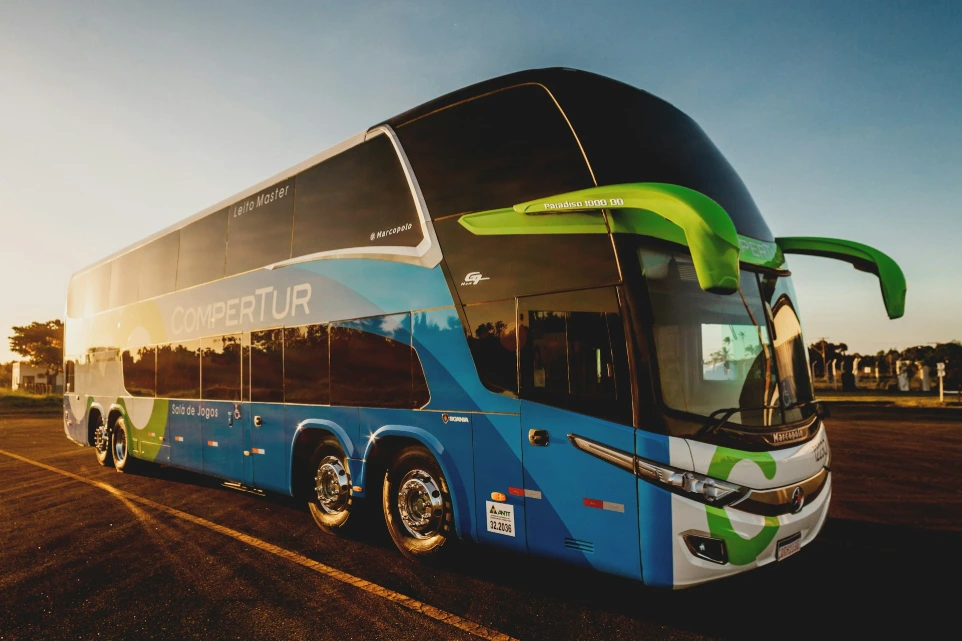
Engineered for fleets, bus operators, and heavy equipment managers, our Asset Management System streamlines end-to-end operations through four core modules: Operations, Maintenance, Purchasing, and Inventory Management.
Whether running standalone or integrated with your ERP, it gives you full control and essential insights to drive your business forward.





Core Modules

Operations
- Plan Routes and Schedule Operations
- Monitor Asset Allocation
- Manage Resources (Assets and Operators)
- Ensure Fleet Efficiency
- Manage and Control Operational Costs
Maintenance
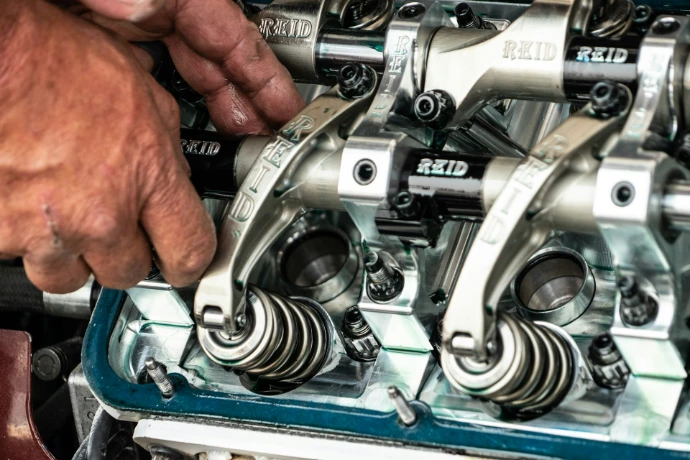
- Prioritize Vehicle Upkeep
- Schedule Maintenance and Minimize Downtime
- Manage and Control Maintenance Costs
- Analyze Failure Patterns
- Manage Tires

Purchasing
- Streamline Procurement processes
- Create, Manage, and Track Purchase Requests & Orders
- Optimize Supplier interactions
Inventory Management
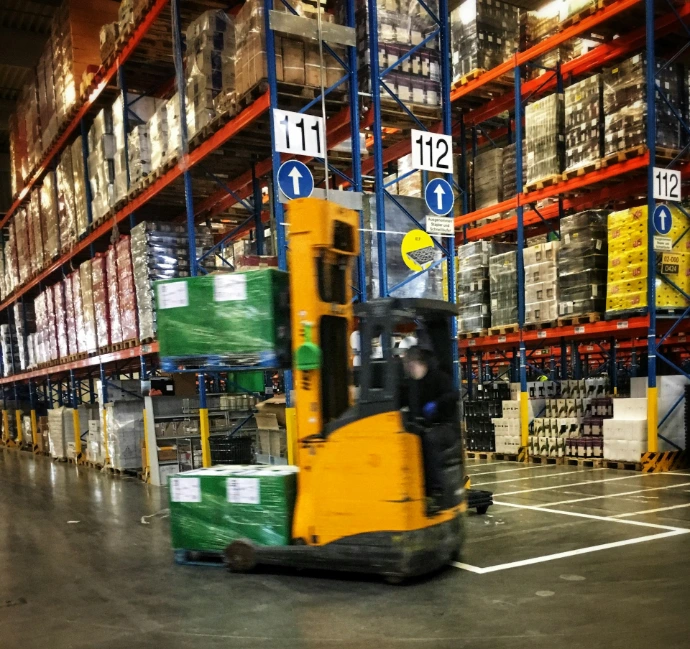
- Efficiently manage inventory levels
- Monitor Stock movements
- Enhance Warehouse operations
Additional Features
User Access Control
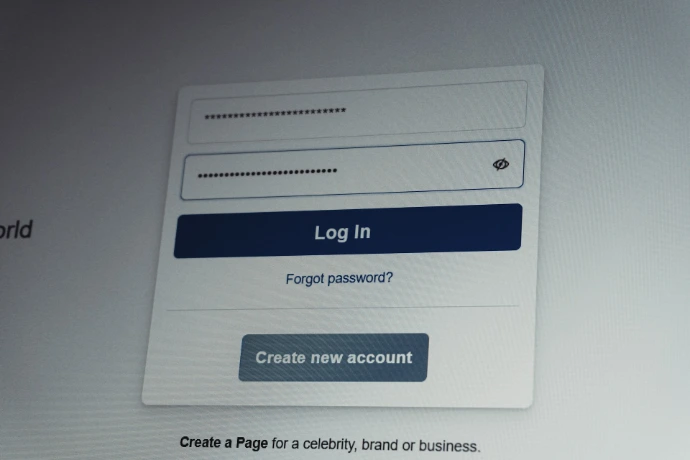
- Users are defined by their roles and functions.
- Fine-tune access permissions to specific parts of the module(s).
- Ensure data security and tailored access.

Data Extraction
- Extract relevant data effortlessly
- Integrate with external systems or reporting tools
- Enhance data utilization

Standard Dashboards
- All modules come equipped with standard dashboards
- Gain valuable insights into transactional activities within the module
- Monitor performance and make informed decisions
Master Data Setup
- Configure essential master data elements like Suppliers, Assets, Inventory Items and Projects
- Maintain accurate and consistent records

Customized Reports
- Looker Data Studio is leveraged to create personalized reports
- Generate detailed analysis and visualize data as needed
- Empower data-driven decision-making
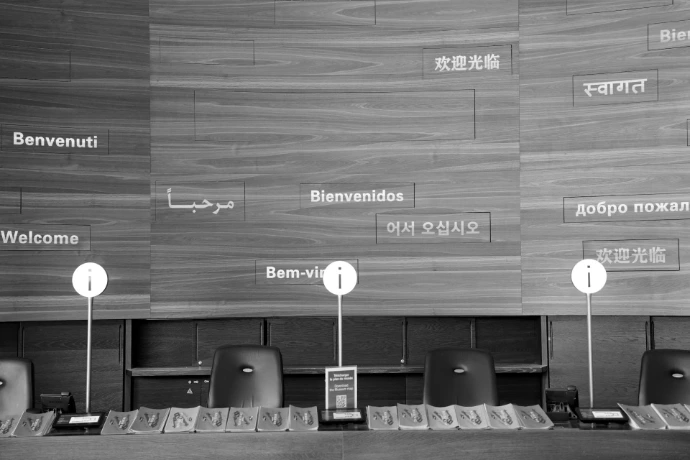
Multilingual Interface
- All modules support Arabic and English languages as user interfaces.
- Choose your preferred language without affecting data integrity
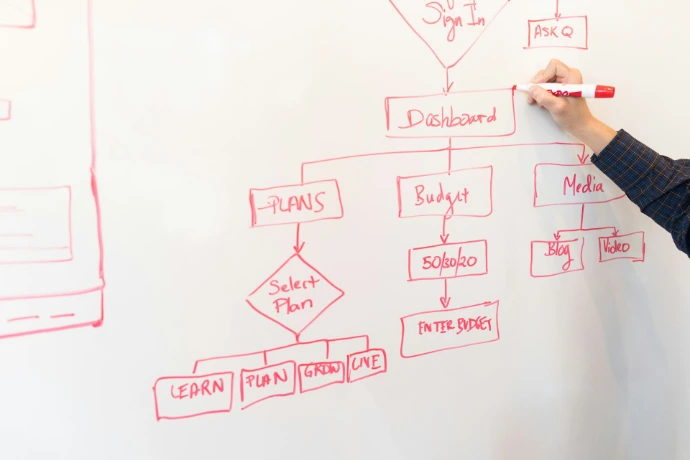
Approval Workflows
- Streamline processes with built-in approval workflows
- Ensure compliance and efficient task routing
- Facilitate seamless collaboration
Continuous Updates
- Our commitment to excellence drives continuous enhancements
- Stay ahead with new features, optimizations and improvements
- Benefit from an ever-evolving system
Frequently asked questions (FAQ)
Here are some common questions about Asset Management.
Total Cost of Ownership (TCO): Aggregates initial acquisition costs, operating costs, maintenance expenses, and disposal value over an asset's lifespan. This KPI helps the Owner compare different brands/models of the same kind of equipment together.
Overall Equipment Effectiveness (OEE): This KPI helps the asset owner evaluate how effectively the purchased asset is being operated.
Mean Time/km between Failures (MTBF/MkmBF): Measures the average Time/km between unplanned failures. Ultimately the number should approach the PM schedule interval.
Mean Time To Repair (MTTR): The average time required to diagnose, repair, and restore a failed asset to full operational status.
Mean Time/km between PMs (MTBPM/MkmBPM): Measures the Maintenance Team’s compliance with the asset’s maintenance schedule.
Planned Maintenance to Unplanned Maintenance Ratio: The ratio of scheduled preventive/predictive maintenance hours compared to total maintenance hours (differs by industry).
Operational costs per hr/km/day/unit: Calculates the cost of operating the unit against the standard cost (budget). Costs should be segregated by type (Driver/Operator related expenses, Trip Expenses, Fuel, Tolls, etc..)
Maintenance costs per hr/km/day/unit: Calculates the cost of maintaining the unit against the standard cost (budget). Costs should be segregated by type (Preventive Maintenance Cost, Corrective Maintenance Cost, Tires, Overhauls, External Repairs, etc..)
- We first specify the duration of the study (e.g. 5 Years)
- We check the estimated salvage value of the asset at the end of the period
- We remove from the Asset Purchase Value the cost of tires and first oil change as they are compensated for in the operating costs
- We estimate the operating km/hr during the period
- We add all cost related to operating the asset during the period
If the asset operates 24 hours per day, then the calculation is fairly straight forward.
Daily Availability = Available Time/Total Time = (24 - Downtime)/24
Daily Utilization = Utilized Time/Available Time = Utilized Time/(24 - Downtime)
If the asset operates in a morning shift only then the calculation becomes slightly more tricky as downtime only counts during operating hours. Any Downtime our of hours isn't considered downtime.
Availability = Available Time/Total Time = (Shift Time - Downtime within the Shift Time)/Shift Time
Utilization = Utilized Time/Available Time
Overall Equipment Effectiveness (OEE): Availability x Utilization
MTBF = Total Operating Hours/Total Number of unplanned failures
MkmBF = Total Traveled km/Total Number of unplanned failures
MTTR: Total Maintenance Time/Total Number of Failures
MTTR can be segregated by repair type so that standards can be put in place.